All You Required to Find Out About Robotic Vision and Its Applications in Advanced Optical Dimension Systems
Robotic vision stands for a considerable development in the crossway of computer vision, expert system, and artificial intelligence. This modern technology improves the precision of optical measurement systems, allowing real-time data evaluation and improved high quality control. Its influence covers numerous sectors, from producing to health care. The developing landscape of robotic vision elevates inquiries about future abilities and applications. What advancements lie ahead in this transformative field?
Understanding Robotic Vision: Trick Concepts and Technologies
Robotic vision includes the modern technologies and methods that allow machines to interpret and recognize aesthetic information from their atmosphere. This area combines elements of computer system vision, artificial intelligence, and machine discovering to promote computerized decision-making based on visual information. Key ideas include image processing, which includes the improvement and analysis of pictures to extract significant features, and object recognition, which allows devices to identify and categorize objects within a scene.
The Assimilation of Robotic Vision With Optical Dimension Systems
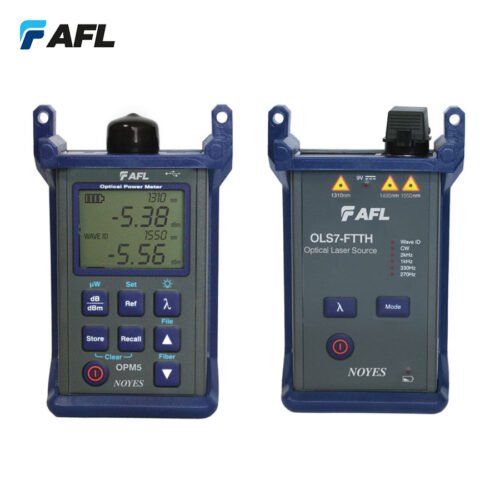
As industries progressively require accuracy and performance, the combination of robotic vision with optical dimension systems has emerged as a transformative technique. This synergy permits robotics to perceive and analyze their surroundings, improving the ability of optical dimension systems to evaluate and examine things with unmatched accuracy. By furnishing optical sensing units with sophisticated imaging innovations, robotic vision enables real-time information collection and processing, facilitating prompt modifications to measurement parameters.
The mix encourages automated systems to identify variants in dimensions, surface area top quality, and placement, which are important in quality control processes. Boosted algorithms, such as machine knowing, more boost this integration by boosting the systems' ability to adjust to various atmospheres and circumstances. Subsequently, the combination not just streamlines dimension procedures however additionally minimizes mistakes, making certain that items meet rigorous sector standards, thus solidifying the role of robot vision in the future of optical dimension systems.
Applications of Robotic Vision in Production
In contemporary production environments, making use of vision systems has revolutionized production processes by making it possible for makers to perform tasks with remarkable accuracy and rate. Robotic vision systems are significantly used for high quality control, where they examine products for flaws and warranty adherence to specs. These systems make use of video cameras and advanced formulas to examine items in real-time, substantially decreasing the risk of human mistake.
Furthermore, robotic vision assists in automation in production line, permitting robots to properly identify components and construct them with minimal downtime. This technology likewise enhances stock management, as vision systems can check supply degrees and discover disparities, ensuring a seamless supply chain.
Moreover, robotic vision aids in the implementation of wise manufacturing facilities, where data from vision systems can be incorporated with various other modern technologies to maximize operations. On the whole, the applications of robotic vision in producing demonstrate its crucial role in improving performance, top quality, and productivity across various markets
Robotic Vision in Medical Care: Reinventing Person Care
In rehab, robotic vision aids in monitoring patient development and tailoring therapy sessions to individual requirements. It supports doctor by automating jobs such as information collection and individual surveillance, enabling even more time to concentrate on direct individual interaction. Furthermore, robot vision enhances telemedicine by allowing remote medical diagnosis and virtual examinations, bridging the gap in between patients and doctor. Overall, the application of robotic vision in health care is changing individual care, leading to improved outcomes, efficiency, and patient satisfaction.
Future Fads and Advancements in Robotic Vision Modern Technology
The rapid development of robotic vision innovation guarantees to additionally improve its applications across various fields, including health care. Future fads indicate a considerable shift towards integrating expert system and device knowing, allowing systems to gain from huge datasets and enhance websites accuracy over time. Improved sensor technologies and deep understanding algorithms are anticipated to fine-tune object acknowledgment capacities, permitting robots to translate complicated atmospheres better.

The assimilation of augmented truth (AR) with robot vision will likely reinvent exactly how robotics aid in see medical treatments and diagnostics. This synergy will certainly promote real-time data visualization, enhancing decision-making processes. In addition, miniaturization of parts will bring about even more portable and flexible robot vision systems suitable for a selection of tasks. As these improvements unravel, markets will witness boosted automation and efficiency, strengthening robot vision as a foundation of innovative technical services.
Frequently Asked Concerns
What Are the Key Parts of a Robotic Vision System?
The primary parts of a robotic vision system consist of video cameras for picture capture, processors for data analysis, formulas for analysis, and actuators for movement. Together, these aspects enable robots to regard and engage with their setting properly.
How Does Robotic Vision Improve Precision in Measurements?
Robotic vision boosts measurement accuracy by utilizing innovative imaging technologies, allowing precise item discovery and spatial analysis. This ability lowers human mistake, enhances repeatability, and allows for real-time modifications, ultimately enhancing total measurement dependability and efficiency.
What Industries Advantage A Lot Of From Robotic Vision Technology?
Different industries profit greatly from robot vision innovation, including production, health care, farming, and logistics. These industries utilize improved precision, effectiveness, and automation, leading to improved efficiency and reduced operational prices in their respective processes.
Can Robotic Vision Systems Job in Low-Light Issues?
Robotic vision systems can without a doubt function in low-light problems, using advanced sensing units and formulas to enhance image clearness. This capacity permits them to execute effectively in different environments, including commercial and surveillance applications, despite marginal lighting.
What Are the Prices Connected With Applying Robotic Vision?
The expenses connected with carrying out robot vision differ substantially, influenced by elements such as video cameras, software application, and integration. Added expenditures consist of upkeep, training personnel, and possible upgrades to existing systems, which can accumulate gradually.